

Can a hydraulically driven two - post parking lift be installed outdoors?
As a supplier of hydraulically driven two-post parking lifts, I often get asked if these lifts can be installed outdoors. It's a valid question, especially for those with limited indoor space or who want to maximize their parking options. In this blog post, I'll share my insights on the feasibility of outdoor installation, the factors to consider, and the potential challenges you might face.
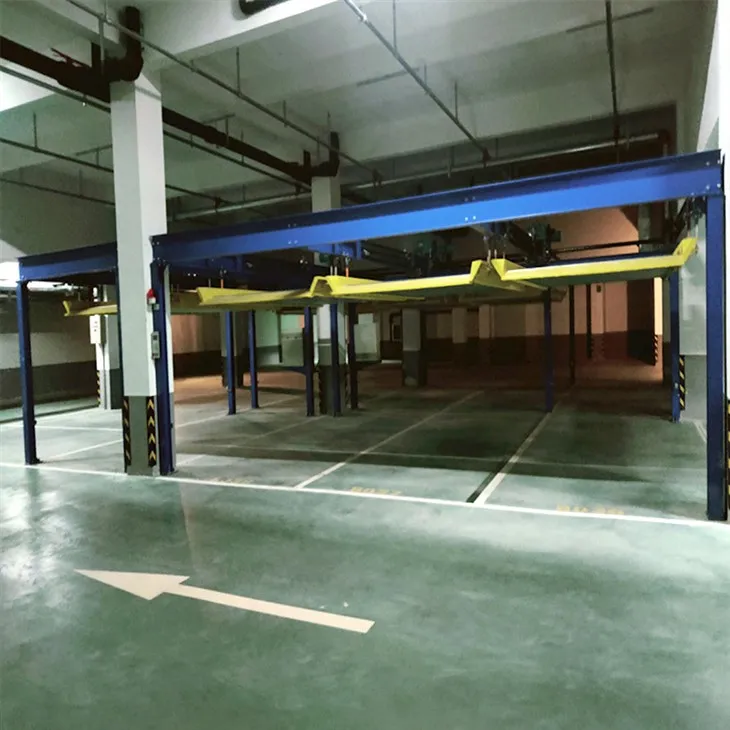
First off, let's talk about the basics of a hydraulically driven two-post parking lift. These lifts are designed to raise vehicles off the ground, allowing you to park another vehicle underneath. They use hydraulic cylinders to lift the vehicle, providing a smooth and stable operation. They're popular in both residential and commercial settings because they're relatively easy to install and can significantly increase parking capacity. You can check out our Hydraulically Driven Two-post Parking Lift for more details.
Now, to answer the big question: yes, a hydraulically driven two-post parking lift can be installed outdoors. However, it's not as simple as just plopping it down in your driveway. There are several factors you need to take into account to ensure a successful installation and long-term performance.

Weather Conditions
One of the most significant factors to consider when installing a parking lift outdoors is the weather. Different climates can have a substantial impact on the lift's components and overall functionality.
- Rain and Moisture: Constant exposure to rain and high humidity can lead to rust and corrosion, especially on the metal parts of the lift. This can weaken the structure and compromise its safety. To combat this, look for lifts with a rust-resistant coating or made from materials like stainless steel. Regular maintenance, such as applying a protective wax or paint, can also help extend the lift's lifespan.
- Extreme Temperatures: Both hot and cold temperatures can affect the hydraulic system. In cold weather, the hydraulic fluid can thicken, making it harder for the lift to operate smoothly. On the other hand, extreme heat can cause the fluid to thin out, leading to leaks and reduced performance. Make sure the lift you choose is designed to handle the temperature range in your area. Some lifts come with temperature-resistant hydraulic fluids and insulation to protect the system.
- Snow and Ice: In regions with heavy snowfall, snow and ice can accumulate on the lift, adding extra weight and potentially causing damage. It's essential to clear the lift regularly during the winter months. Additionally, ice can form on the moving parts, preventing them from functioning correctly. You might need to use de-icing agents or install heating elements to keep the lift operational.
Ground Conditions
The ground where you install the lift is another crucial factor. A stable and level surface is essential for the lift's safety and performance.
- Soil Type: Different soil types have different load-bearing capacities. For example, sandy soil is less stable than clay or concrete. If you're installing the lift on soil, you may need to pour a concrete foundation to provide a solid base. This will prevent the lift from sinking or shifting over time.
- Levelness: The lift must be installed on a level surface to ensure even weight distribution and proper operation. Even a slight slope can cause the vehicle to tilt, putting stress on the lift's components and increasing the risk of accidents. Use a level to check the surface before installation and make any necessary adjustments.
Safety and Security
Installing a parking lift outdoors also raises safety and security concerns.
- Visibility: The lift should be visible from all angles to prevent collisions. Make sure there are no obstructions around the lift, and consider installing warning signs or reflective tape to increase visibility, especially at night.
- Access Control: If the lift is in a public or shared area, you'll need to implement access control measures to prevent unauthorized use. This could include installing a lock or using a key fob system.
- Lightning Protection: In areas prone to lightning strikes, it's important to protect the lift from electrical damage. You can install a lightning rod or grounding system to divert the electrical current away from the lift.
Maintenance
Outdoor parking lifts require more maintenance than indoor ones due to their exposure to the elements.
- Regular Inspections: Conduct regular inspections of the lift's components, including the hydraulic system, cables, and chains. Look for signs of wear and tear, such as cracks, leaks, or loose bolts. Replace any damaged parts immediately to prevent further damage and ensure the lift's safety.
- Cleaning: Keep the lift clean to prevent dirt and debris from accumulating. Use a pressure washer or a hose to clean the lift regularly, and make sure to dry it thoroughly to prevent rust.
Other Considerations
In addition to the factors mentioned above, there are a few other things to keep in mind when installing a hydraulically driven two-post parking lift outdoors.
- Local Regulations: Check with your local building department to see if there are any regulations or permits required for installing a parking lift outdoors. Some areas may have restrictions on the size, location, or type of lift you can install.
- Aesthetics: If the lift is in a visible area, you may want to consider its aesthetic appeal. Look for lifts that blend in with your surroundings or have a modern design.
In conclusion, while it is possible to install a hydraulically driven two-post parking lift outdoors, it requires careful planning and consideration. By taking into account the weather conditions, ground conditions, safety and security, and maintenance requirements, you can ensure a successful installation and enjoy the benefits of increased parking capacity.
If you're interested in our Two Level Multi-platform Parking Lift or Multi Pit Parking System, or have any questions about our hydraulically driven two-post parking lifts, don't hesitate to reach out. We're here to help you find the perfect parking solution for your needs.
References
- "Parking Lift Installation Guide," Parking Lift Manufacturers Association.
- "Hydraulic Systems in Extreme Temperatures," Hydraulics Today Magazine.
- "Outdoor Equipment Maintenance Best Practices," Equipment Maintenance Journal.