

How does the motor protect the two - post parking lift from overload?
As a supplier of motor-driven two-post parking lifts, I've witnessed firsthand the critical role that motors play in ensuring the safety and efficiency of these innovative parking solutions. One of the most important functions of the motor is to protect the two-post parking lift from overload. In this blog post, I'll delve into the mechanisms and technologies that enable motors to perform this vital task, ensuring the longevity and reliability of our products.
Understanding Overload in Two-Post Parking Lifts
Before we explore how motors protect against overload, it's essential to understand what overload means in the context of two-post parking lifts. An overload occurs when the weight placed on the lift exceeds its rated capacity. This can happen due to various reasons, such as parking a vehicle that is heavier than the lift's specifications or stacking additional weight on the platform. Overloading a two-post parking lift can lead to serious consequences, including structural damage, mechanical failures, and even safety hazards for users.
The Role of the Motor in Overload Protection
The motor is the heart of a two-post parking lift, providing the power necessary to raise and lower the platform. In addition to its primary function, the motor also plays a crucial role in protecting the lift from overload. Modern motors are equipped with advanced sensors and control systems that monitor the load on the lift and adjust the motor's performance accordingly. Here are some of the key ways in which motors protect two-post parking lifts from overload:
Load Sensing Technology
One of the most common methods used by motors to protect against overload is load sensing technology. This technology involves the use of sensors that measure the weight placed on the lift platform. These sensors are typically located at strategic points on the lift, such as the hydraulic cylinders or the support arms. As the load on the lift increases, the sensors detect the change in weight and send a signal to the motor control system.
The motor control system then analyzes the data received from the sensors and determines whether the load is within the lift's rated capacity. If the load exceeds the rated capacity, the motor control system will automatically reduce the motor's power output or stop the lift altogether. This prevents the lift from operating under unsafe conditions and helps to protect the motor and other components from damage.
Current Monitoring
Another important method used by motors to protect against overload is current monitoring. The motor draws a certain amount of electrical current when it is operating. The amount of current drawn is directly proportional to the load on the motor. By monitoring the current drawn by the motor, the motor control system can determine whether the motor is operating under normal conditions or if it is being overloaded.
If the current drawn by the motor exceeds a certain threshold, the motor control system will interpret this as a sign of overload. In response, the control system will take appropriate action, such as reducing the motor's power output or shutting down the lift. Current monitoring is a reliable and effective way to protect the motor from damage caused by overload, as it allows the control system to detect overload conditions in real-time.
Torque Limiting
Torque is the rotational force produced by the motor. In a two-post parking lift, the motor's torque is used to raise and lower the platform. If the load on the lift is too heavy, the motor may need to produce more torque than it is designed to handle. This can lead to overheating and damage to the motor.
To prevent this from happening, modern motors are equipped with torque limiting technology. This technology allows the motor control system to limit the amount of torque that the motor can produce. If the load on the lift exceeds the motor's torque limit, the control system will reduce the motor's power output to prevent the motor from overheating and damaging itself. Torque limiting is an important safety feature that helps to protect the motor and other components of the lift from damage caused by overload.
Advanced Motor Control Systems
In addition to load sensing, current monitoring, and torque limiting, modern motors are also equipped with advanced control systems that provide additional protection against overload. These control systems use sophisticated algorithms and software to analyze the data received from the sensors and make real-time adjustments to the motor's performance.
For example, some motor control systems are designed to automatically adjust the motor's speed and power output based on the load on the lift. If the load is light, the motor can operate at a lower speed and use less power, which helps to conserve energy and reduce wear and tear on the motor. On the other hand, if the load is heavy, the motor can increase its speed and power output to ensure that the lift can operate safely and efficiently.
Benefits of Motor-Protected Two-Post Parking Lifts
The use of motors with advanced overload protection features offers several benefits for two-post parking lift users. Here are some of the key advantages:
Enhanced Safety
The primary benefit of motor-protected two-post parking lifts is enhanced safety. By preventing the lift from operating under overload conditions, these motors help to reduce the risk of accidents and injuries. This is especially important in commercial and public parking facilities, where the safety of users is of utmost importance.
Increased Reliability
Motors with overload protection features are more reliable than those without. By protecting the motor from damage caused by overload, these features help to extend the lifespan of the motor and other components of the lift. This reduces the need for frequent maintenance and repairs, which can save time and money in the long run.

Energy Efficiency
As mentioned earlier, some motor control systems are designed to automatically adjust the motor's speed and power output based on the load on the lift. This helps to conserve energy and reduce operating costs. By using only the amount of power necessary to operate the lift, these motors can help to lower electricity bills and reduce the environmental impact of the parking facility.
Our Product Range
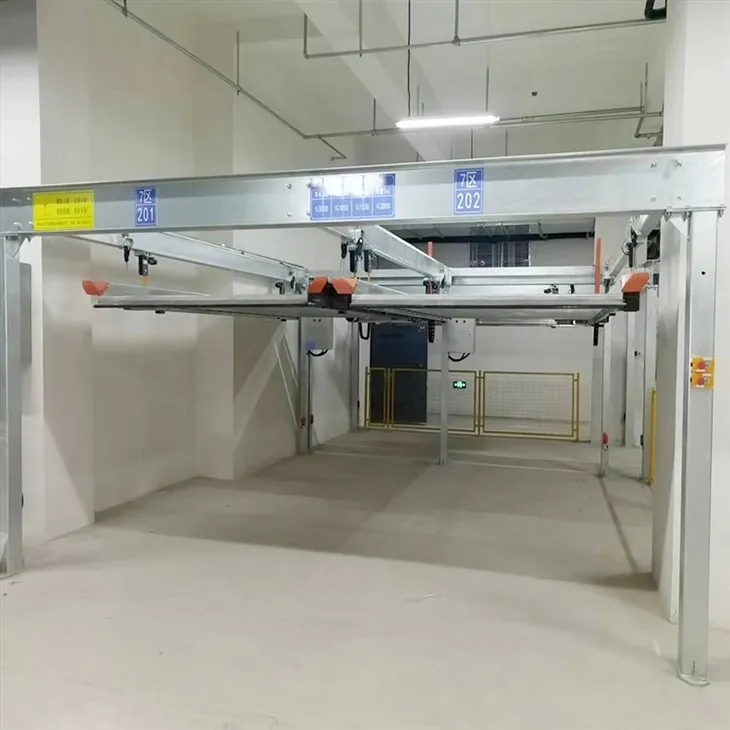
At our company, we offer a wide range of motor-driven two-post parking lifts that are equipped with advanced overload protection features. Our products are designed to meet the needs of various applications, from residential garages to commercial parking facilities. Here are some of our popular products:
- Two Storey Low Ceiling Garage Parking Lift: This lift is ideal for garages with low ceilings. It features a compact design and advanced motor control system that provides reliable overload protection.
- Hydraulically Driven Two-post Parking Lift: Our hydraulically driven two-post parking lift offers smooth and quiet operation. The motor is equipped with load sensing and current monitoring technology to prevent overload.
- Two Level Multi-platform Parking Lift: This lift is suitable for large parking facilities. It features multiple platforms and advanced motor control systems that ensure safe and efficient operation under various load conditions.
Conclusion
In conclusion, the motor plays a crucial role in protecting two-post parking lifts from overload. Through the use of advanced sensors, control systems, and technologies such as load sensing, current monitoring, and torque limiting, motors can detect and prevent overload conditions in real-time. This helps to enhance the safety, reliability, and energy efficiency of two-post parking lifts.
If you're in the market for a motor-driven two-post parking lift, we encourage you to contact us to discuss your specific requirements. Our team of experts can help you choose the right lift for your needs and provide you with all the information you need to make an informed decision. We look forward to the opportunity to work with you and help you find the perfect parking solution for your facility.
References
- "Parking Lift Safety Standards and Guidelines," International Parking Institute.
- "Motor Control Systems for Industrial Applications," IEEE Transactions on Industrial Electronics.
- "Load Sensing Technology in Hydraulic Systems," Hydraulics and Pneumatics Magazine.