

What are the differences between different motors for two - post parking lifts?
Hey there! As a supplier of motors that drive two - post parking lifts, I've seen firsthand the different types of motors out there and how they can vary. In this blog, I'm gonna break down the differences between these motors, so you can make an informed decision when it comes to your parking lift needs.
Electric Motors
First up, let's talk about electric motors. These are pretty common in two - post parking lifts. One of the big advantages of electric motors is that they're relatively quiet. If you're installing a parking lift in a residential area or a place where noise could be an issue, an electric motor is a great choice. You won't have that loud humming or clunking sound that some other motors make.
Another plus is that electric motors are generally more energy - efficient. They convert a higher percentage of the electrical energy they consume into mechanical energy to lift the vehicle. This means lower electricity bills in the long run. For example, if you're running a commercial parking lot with multiple two - post parking lifts, the energy savings can really add up over time.
However, electric motors do have some drawbacks. They rely on a stable power supply. If there's a power outage, the lift won't work. And in some areas with unreliable electricity, this can be a major problem. Also, the initial cost of an electric motor can be a bit high. You need to factor in not only the cost of the motor itself but also the installation, which might involve wiring and electrical work.
You can check out our The Motor Drives The Two - post Parking Lift page to see some of the electric motor options we offer.
Hydraulic Motors
Hydraulic motors are another popular choice for two - post parking lifts. These motors use hydraulic fluid to generate the force needed to lift the vehicle. One of the main benefits of hydraulic motors is their power. They can handle heavy loads with ease. If you're planning to lift large SUVs or trucks, a hydraulic motor is probably your best bet.
Hydraulic systems are also very reliable. They have fewer moving parts compared to some other types of motors, which means there's less that can go wrong. And if something does break, the components are usually easy to replace. Plus, hydraulic motors can operate smoothly and steadily, providing a stable lift for the vehicle.
But hydraulic motors aren't perfect. They can be messy. If there's a leak in the hydraulic system, the fluid can spill out, which not only creates a safety hazard but also requires cleanup. And the hydraulic fluid needs to be changed regularly to maintain the system's performance. This adds to the maintenance cost.
If you're interested in a hydraulic option, take a look at our Hydraulically Driven Two - post Parking Lift page.
Pneumatic Motors
Pneumatic motors use compressed air to operate. These motors are lightweight and easy to install. They're also very clean since they don't use any fluids like hydraulic motors. This makes them a good choice for environments where cleanliness is a priority, such as a high - end car showroom.
Pneumatic motors are also relatively inexpensive compared to electric and hydraulic motors. They have a lower initial cost, which can be appealing for those on a budget. And they can start and stop quickly, which is useful if you need to make frequent adjustments to the lift height.
On the downside, pneumatic motors aren't as powerful as hydraulic motors. They're better suited for lighter vehicles. Also, they require a source of compressed air. If you don't have an existing air compressor system, you'll need to invest in one, which adds to the overall cost.
Comparison of Key Factors
Let's take a look at how these different motors stack up against each other in terms of some key factors:
Power and Load Capacity
As mentioned earlier, hydraulic motors take the lead when it comes to power and load capacity. They can handle heavy - duty vehicles without breaking a sweat. Electric motors can handle a decent amount of weight, but they might struggle with extremely large or heavy vehicles. Pneumatic motors are the least powerful in this regard and are best for smaller cars.
Energy Efficiency
Electric motors are the most energy - efficient. They use less electricity to do the same amount of work compared to hydraulic and pneumatic motors. Hydraulic motors can be energy - intensive, especially if the system is not well - maintained. Pneumatic motors also consume a fair amount of energy to compress the air.
Noise Level
Electric motors are the quietest. They operate with a soft hum, which won't disturb the surrounding environment. Hydraulic motors can be a bit louder, especially when the hydraulic pump is running. Pneumatic motors can be quite noisy, as the compressed air releases and creates a hissing sound.

Maintenance Requirements
Hydraulic motors require regular maintenance, including fluid changes and checking for leaks. Electric motors need occasional inspections of the wiring and electrical components. Pneumatic motors need maintenance on the air compressor and the air lines to ensure proper operation.
Cost
Pneumatic motors are the least expensive in terms of initial cost, but you need to factor in the cost of the air compressor. Electric motors have a higher initial cost but can save you money on energy in the long run. Hydraulic motors can be costly to install and maintain, especially due to the hydraulic fluid and component replacement.
Which Motor is Right for You?
Choosing the right motor for your two - post parking lift depends on your specific needs. If you're running a commercial parking lot with a mix of vehicles and reliable power, an electric motor might be a good choice. It offers a good balance of power, energy efficiency, and quiet operation.
If you're dealing with heavy - duty vehicles like trucks and large SUVs, a hydraulic motor is the way to go. It can handle the weight and provide a stable lift.
For a clean and budget - friendly option in a light - duty application, such as a small car repair shop, a pneumatic motor could be suitable.
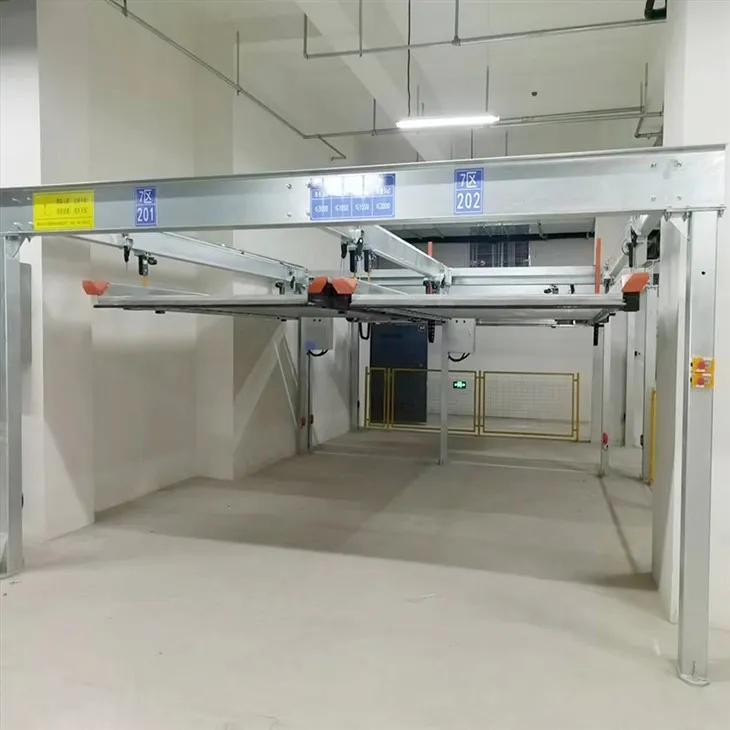
We also offer a Two Level Multi - platform Parking Lift that can be customized with different motor options.
If you're still not sure which motor is best for your situation, don't hesitate to reach out to us. We have a team of experts who can help you make the right decision based on your requirements. Whether you're a small business owner or managing a large parking facility, we can provide the right motor solution for your two - post parking lift.
In conclusion, understanding the differences between these motors is crucial for getting the most out of your two - post parking lift. Each type has its own advantages and disadvantages, and by considering factors like power, energy efficiency, and cost, you can find the perfect motor for your needs.
If you're interested in purchasing a motor for your two - post parking lift or have any questions, feel free to contact us. We're here to help you with all your parking lift motor needs.
References
- Industry reports on parking lift technologies
- Manufacturer's specifications for electric, hydraulic, and pneumatic motors
- User reviews and feedback on different types of two - post parking lift motors