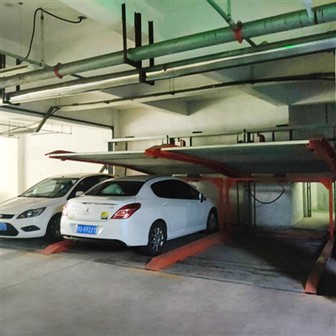
What type of technology do automated parking systems use?
The cloud is a critical piece of technology for automated parking systems to be a part of the smart Internet of Things (IoT) that are considered essential digital infrastructure for any smart parking operation, smart building, and smart city.
With cloud-based technology, each location's software can be configured and updated over-the-air, reducing the amount of time it takes to go live with a solution or update with new functions and enabling much simpler, less-frequent maintenance.
Real-time data and analytics are critical to running any business in the modern world. Operating in the cloud enables the kind of live visibility into occupancy, revenue, maintenance needs, and equipment operations.
Automated parking systems commonly rely on two main technologies to streamline ingress, egress, and payment: RFID technology and sensors.
RFID Technology
RFID technology is commonly used for long-term parkers to enter garages and lots seamlessly within seconds. As these monthly or contract parkers arrive at a location, their RFID tag – either embedded in a hang tag that's placed on a rearview mirror or in a sticker that's placed on a windshield.
Sensors
Sensors have many roles in automated parking systems. First, they can be used to scan digital QR-code tickets at entry and exit. Consumers that book parking in advance or want to access their monthly parking garage via a mobile phone can scan into a garage seamlessly using a code that vends the gate in seconds.
Sensors can also be placed in individual parking spaces and used to display available parking spots via overhead lights or digital signs.
Today, sensors are also increasingly being used to collect valuable data about entry and exit patterns and peak occupancy hours and even to maintain security.